
Introduction: A Defining Moment for Indigenous Defence Technology
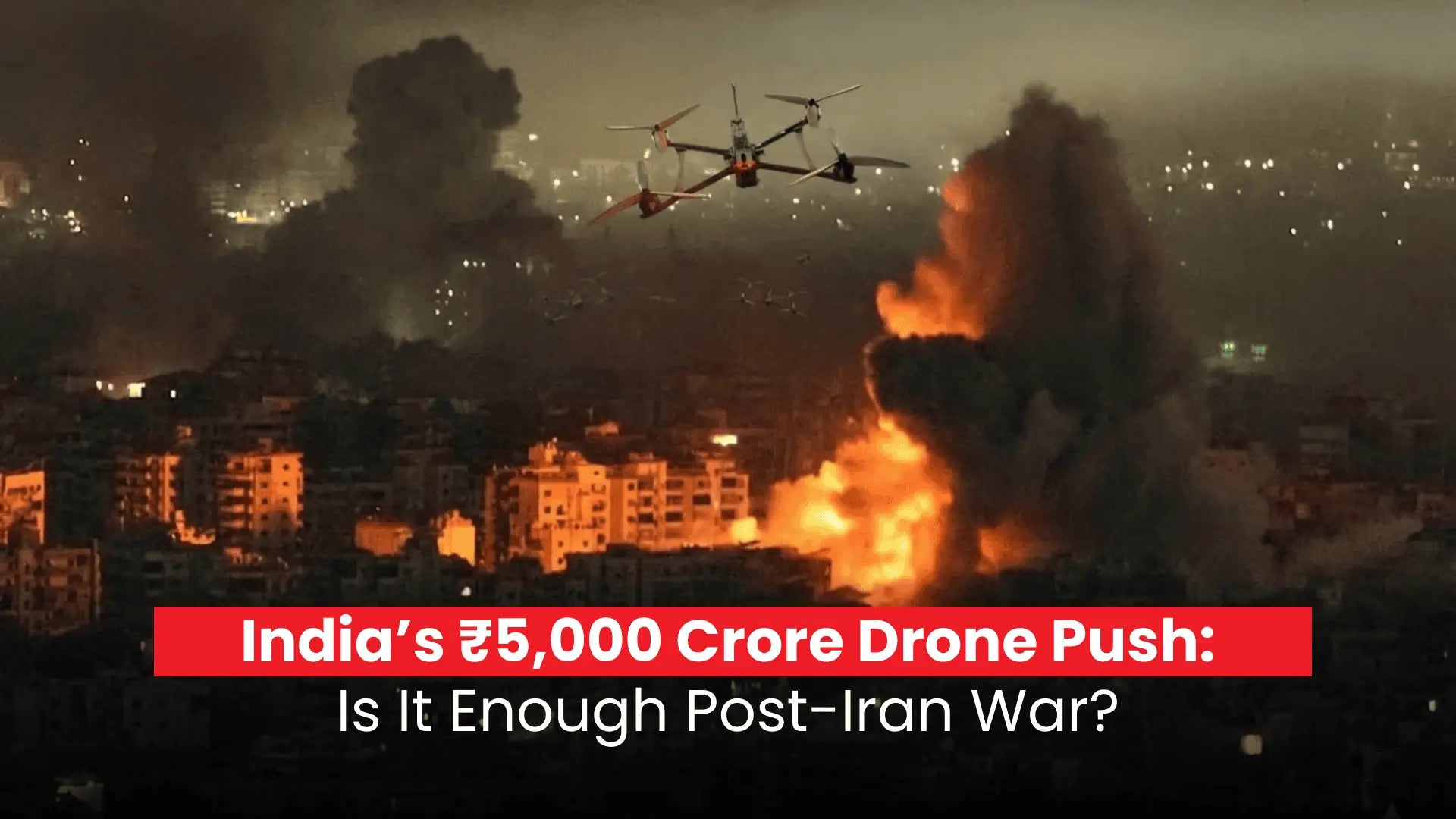
India’s defence landscape is undergoing a rapid transformation, and indigenous drone manufacturing is at the heart of this shift. In a major milestone, insideFPV has successfully delivered 300+ kamikaze drones to the Indian Army in northern command, marking a significant step forward in strengthening India’s self-reliant defence ecosystem.
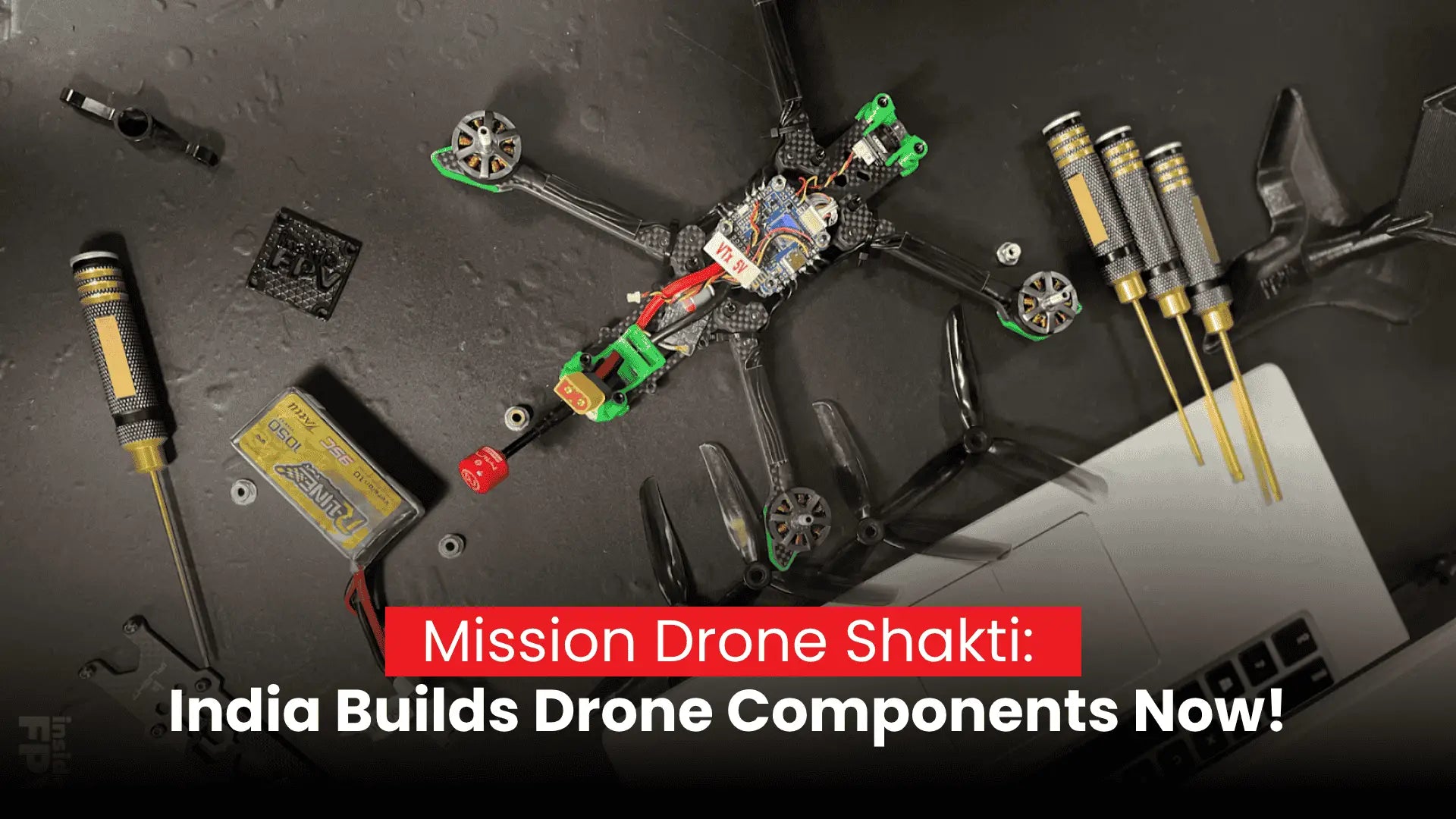
This achievement is also a reflection of India’s growing ecosystem from manufacturing to skill development through fpv training programs and innovation hubs like the fpv drone lab, which are shaping the next generation of defence-ready drone engineers.
What Is Kamikaze Drone and Why It Matters Today
Understanding Loitering Munitions
Kamikaze drones, also known as loitering munitions, are designed for precision strike missions. Unlike traditional drones, these systems:
-
Fly to a designated target area
-
Loiter (hover) while identifying targets
-
Execute a direct strike when commanded
-
Do not return after mission completion
They combine surveillance and strike capability into a single system, making them highly efficient for modern warfare.
Why Militaries Are Rapidly Adopting Kamikaze Drones
Across global defence forces, these systems are gaining traction due to several key advantages:
-
Cost Efficiency: Significantly cheaper than traditional missiles
-
High Precision: Reduced collateral damage
-
Operational Flexibility: No need for runways or airbases
-
Real-Time Intelligence: Live feed before strike execution
-
Terrain Advantage: Ideal for mountains, deserts, and dense zones
As drone warfare evolves, structured fpv training is becoming essential for operators to handle these advanced systems effectively in real combat scenarios.
Northern Command: One of the Toughest Testing Grounds on Earth
Why Drass Is Operationally Critical
Drass is not just another deployment location—it is one of the coldest inhabited regions in the world, sitting above 10,000 feet. The terrain presents extreme challenges:
-
Sub-zero temperatures
-
Low air density
-
High-altitude wind conditions
-
Reduced battery efficiency
Such environments demand not just strong hardware but also deep R&D capabilities—often developed in specialized facilities like an fpv drone lab, where systems are tested and refined before deployment.
insideFPV High-Altitude Validation Process
Before deployment, every drone underwent rigorous validation, including:
-
High-altitude thrust and aerodynamic testing
-
Sub-zero electronics and battery performance checks
-
Payload integration and release accuracy validation
-
Full-system flight testing under simulated combat conditions
All 300+ units cleared these tests, ensuring operational readiness in real-world scenarios.
Engineering Excellence: What Powers insideFPV Kamikaze Drones
Built for Performance, Not Adaptation
insideFPV’s systems are not modified commercial drones—they are purpose-built for defence operations.
Key differentiators include:
-
High-altitude optimized airframes for stable flight
-
Rugged electronics designed for extreme cold
-
Transparent firmware architecture with no hidden dependencies
-
Fully indigenous manufacturing from design to assembly
-
Strict quality control across production cycles
Much of this innovation pipeline is supported by continuous experimentation and prototyping environments similar to an fpv drone lab, ensuring rapid iteration and improvement.
Consistency at Scale: The Real Challenge
Producing one high-performance drone is achievable. Delivering 300+ units with identical reliability and performance is where true engineering discipline lies.
insideFPV’s production and quality systems ensure:
-
Uniform performance across all units
-
Reliable deployment in harsh conditions
-
Scalable manufacturing without compromise
Skilled operators trained through structured fpv training programs further enhance the effectiveness of these systems in field conditions.
Strategic Impact: Strengthening India’s Defence Ecosystem
Why This Delivery Matters Beyond Numbers
Drass holds immense strategic importance due to its proximity to sensitive borders. Deploying indigenous loitering munitions in such regions signals a major shift in India’s defence posture.
Key Benefits for India’s Defence Infrastructure
-
Reduced Dependence on Imports: Faster response to operational needs
-
Faster Procurement Cycles: Local manufacturing enables quick replenishment
-
Technology Sovereignty: Full control over upgrades and maintenance
-
Economic Growth: Defence spending stays within India
-
Ecosystem Development: Strengthens domestic drone industry
This ecosystem is further strengthened by investments in fpv training and advanced R&D environments like the fpv drone lab, creating a complete pipeline from innovation to deployment.
insideFPV Roadmap: What Comes Next
The Drass deployment is just the beginning. insideFPV is actively working on next-generation systems, including:
-
Long-range loitering munitions for extended missions
-
Multi-payload drone variants for diverse combat roles
-
Swarm-capable platforms for coordinated operations
-
Hybrid ISR + strike systems
-
Environment-specific drones for desert, coastal, and jungle terrains
Future advancements will increasingly rely on integrated ecosystems combining fpv drone lab research and real-world fpv training to ensure both technology and operators evolve together.
Frequently Asked Questions (FAQs)
1. What are kamikaze drones used for?
They are used for precision strikes, combining surveillance and attack capabilities in a single mission.
2. Why is Drass a challenging deployment location?
Due to extreme cold, high altitude, and low air density, which affect drone performance.
3. Are insideFPV drones fully made in India?
Yes, they are designed, manufactured, and assembled entirely within India.
4. How do kamikaze drones compare to missiles?
They are cheaper, more flexible, and offer real-time targeting before impact.
5. What is fpv training and why is it important?
FPV training teaches operators to control drones in real-time using first-person view systems, which is critical for precision missions.
6. What is an fpv drone lab?
An fpv drone lab is a specialized R&D environment where drones are designed, tested, and optimized for performance and reliability.
Conclusion: A Strong Step Toward Defence Self-Reliance
The delivery of 300+ kamikaze drones to the Indian Army in Drass is more than a milestone, it is a signal of India’s growing strength in indigenous defence manufacturing.
insideFPV is not just building drones; it is building capability, talent, and infrastructure through innovation hubs like the fpv drone lab and skill development via fpv training.
As modern warfare evolves, one thing is clear:
The future belongs to nations that can build, scale, and deploy advanced systems at home.