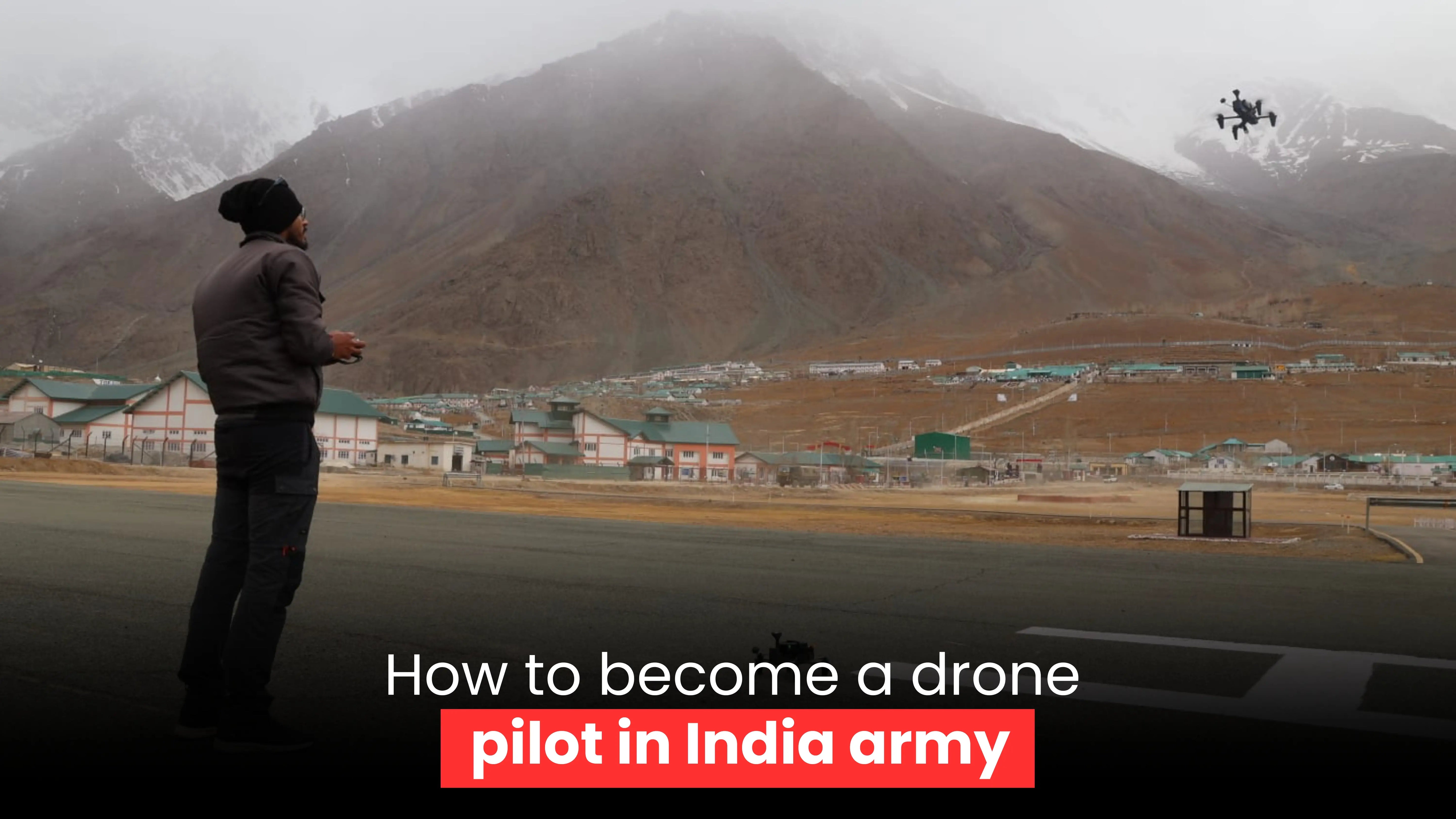

Imagine sitting inside a military operations centre while a drone silently patrols a remote border region hundreds of kilometres away. Through a live video feed, operators monitor troop movements, identify suspicious activities, and provide real-time intelligence to commanders on the ground. In another part of the country, a drone helps security forces track threats, supports disaster response teams during emergencies, or assists in protecting critical infrastructure.
A decade ago, such missions would have required significant manpower, expensive equipment, and considerable operational risk. Today, drones are transforming the way governments and defence forces operate.
As India accelerates its adoption of UAVs (Unmanned Aerial Vehicles), FPV drones, surveillance systems, and autonomous technologies, a new category of careers is emerging. Drone operators, UAV specialists, mission planners, and technical experts are becoming increasingly important across defence, security, and government Organisations.
For students, engineers, defence aspirants, and drone enthusiasts, this presents an exciting opportunity to build a career at the intersection of technology and national security.
How India's Security Landscape Is Driving Demand for Drone Operators
India faces unique security challenges that span deserts, mountains, dense forests, coastlines, and some of the world's longest and most sensitive borders. Monitoring these vast regions continuously is a complex task that requires both manpower and advanced technology.
Drones have become a force multiplier for security agencies because they provide real-time intelligence without exposing personnel to unnecessary risk. They can monitor remote locations, detect suspicious activities, track movements, and provide valuable situational awareness to commanders. Whether it is surveillance along the Line of Actual Control (LAC), monitoring border infiltration routes, supporting anti-terror operations, or assisting disaster management efforts, drones are increasingly becoming an essential part of India's security ecosystem.
As government agencies continue investing in UAV capabilities, the demand for trained drone professionals is expected to grow significantly over the coming years.
Government Sectors Where Drone Professionals Are Finding Opportunities
When people think about government drone jobs, they often imagine only military applications. In reality, opportunities are emerging across a much broader range of organisations.
The Indian Army is rapidly expanding its use of drones for surveillance, reconnaissance, logistics support, artillery correction, and tactical operations. Similarly, the Indian Air Force uses UAVs for intelligence gathering, target acquisition, and strategic monitoring missions. The Indian Navy is investing in maritime drone technologies to strengthen coastal security and enhance maritime domain awareness.
Beyond the Armed Forces, organisations such as the Border Security Force (BSF), Central Reserve Police Force (CRPF), Indo-Tibetan Border Police (ITBP), National Security Guard (NSG), and state police departments are increasingly adopting drones for security and surveillance applications.
Government-backed defence research organisations such as DRDO are also driving the development of next-generation UAV systems, creating opportunities for engineers, software developers, and technical specialists interested in unmanned technologies.
The Rise of Military Drone Operations in India
The role of drones in defence operations has evolved dramatically in recent years. Initially used primarily for surveillance, modern military drones now perform a wide range of missions including target acquisition, intelligence gathering, logistics support, communication relay, and tactical operations.
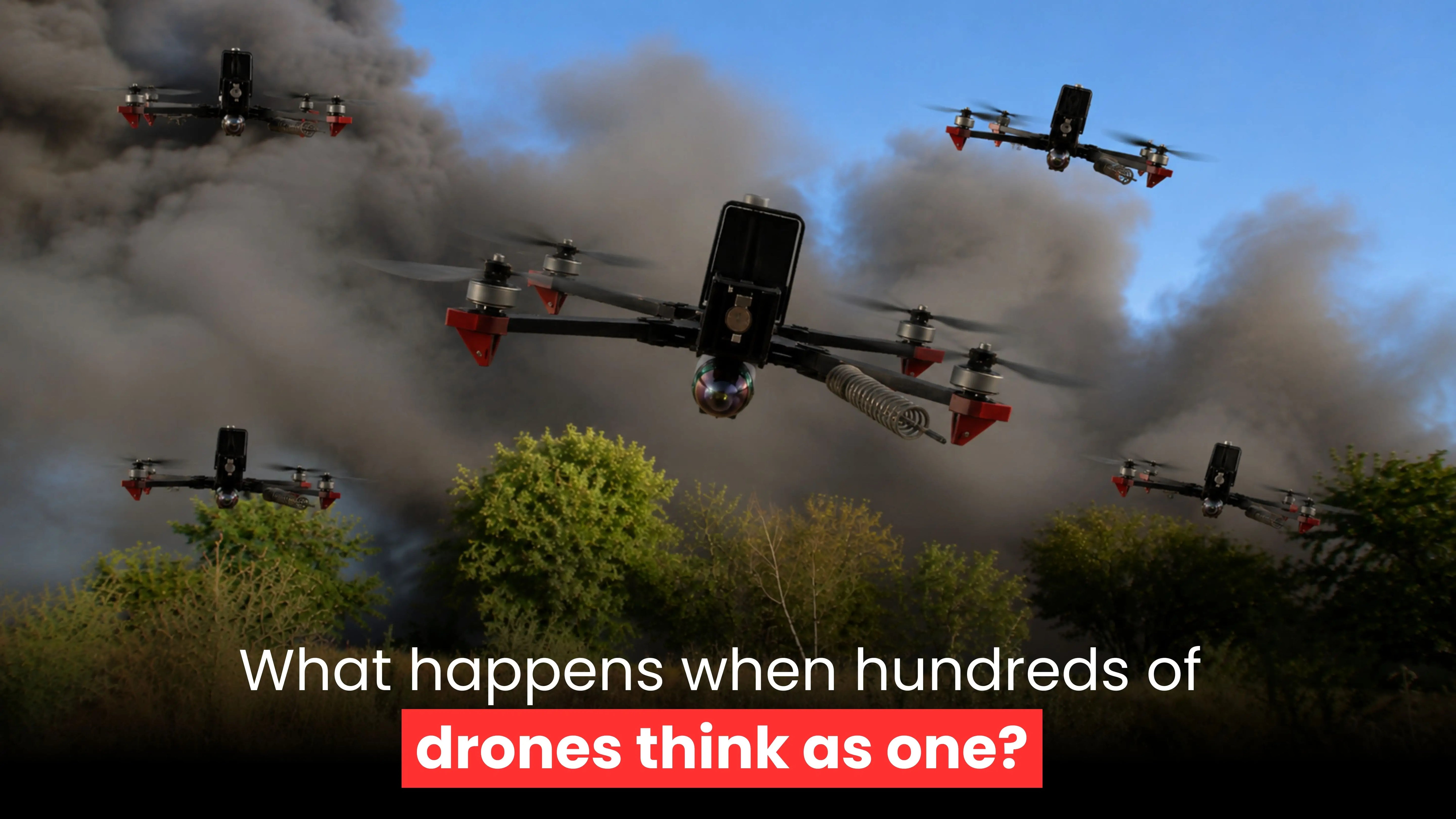
The growing use of FPV drones, loitering munitions, swarm technologies, and AI-enabled systems has expanded the scope of military UAV operations. Today's drone operators are no longer simply pilots controlling aircraft remotely. They are intelligence providers, mission coordinators, and technology specialists who play a critical role in operational success.
As India's defence forces continue modernizing their capabilities, drone operations are expected to become even more integrated into military planning and execution.
The Role of Drones in Border Security Operations
Securing India's borders requires constant vigilance across some of the most challenging terrains in the world. Traditional surveillance methods often struggle to provide continuous coverage across such vast areas.
Drones have changed that equation.
Modern UAVs can monitor remote mountain passes, desert sectors, forested regions, and coastal areas for extended periods. They help security personnel detect infiltration attempts, identify suspicious activity, and maintain awareness across large operational areas.
Because of their effectiveness, border security organisations are increasingly investing in UAV systems and the trained personnel needed to operate them. As these capabilities continue to expand, opportunities for drone-related roles within security organisations are likely to increase as well.
From Surveillance to Strike Missions: The Expanding Role of Drone Operators
The responsibilities of drone operators have grown far beyond basic aerial observation.
Modern military drones are now used for surveillance, reconnaissance, target identification, logistics support, communication relay, and tactical missions. Recent conflicts around the world have also highlighted the growing importance of FPV drones and loitering munitions in modern warfare.
As a result, drone operators are expected to understand not only flight operations but also mission planning, intelligence collection, target assessment, and operational decision-making. The role is becoming increasingly sophisticated as technology continues to evolve.
Emerging Government Roles Beyond Drone Piloting
One of the biggest misconceptions about the UAV industry is that all careers revolve around flying drones. In reality, the ecosystem includes a wide variety of specialised roles.
Government Organisations increasingly require UAV technicians, payload operators, mission planners, drone maintenance specialists, intelligence analysts, software developers, and electronic warfare experts. These professionals work together to ensure successful drone operations.
As UAV adoption grows, individuals with expertise in electronics, software systems, communications, artificial intelligence, and data analysis may find opportunities within the broader drone ecosystem even if they never operate a drone themselves.
Why Defence Organisations Prefer Technically Skilled Candidates
Modern military drones are highly advanced systems that combine aviation, communications, electronics, software, and data processing technologies.
Because of this complexity, defence Organisations often favor candidates who possess strong technical backgrounds. Knowledge of engineering, computer science, electronics, communications systems, and UAV technologies can provide a significant advantage.
As drones become more autonomous and integrated with artificial intelligence, future drone professionals will likely require an even deeper understanding of technology than today's operators.
How Defence Modernization Is Creating New Career Opportunities
India's defence modernization efforts are driving significant investments in indigenous UAV development, AI-enabled systems, autonomous technologies, and advanced surveillance platforms.
Initiatives such as Atmanirbhar Bharat and iDEX are encouraging domestic innovation while reducing dependence on foreign technologies. These programs are creating opportunities not only for manufacturers but also for operators, engineers, developers, and technical specialists who can support the growing UAV ecosystem.
As the Armed Forces continue integrating drones into operational units, the demand for skilled professionals is expected to increase substantially.
The Impact of FPV Drones on Future Government Recruitment
FPV (First-Person View) drones have become one of the most discussed technologies in modern warfare. Their ability to provide real-time operator control and precision engagement capabilities has demonstrated their effectiveness in various operational environments.
As India continues evaluating and adopting FPV technologies, future defence Organisations may increasingly value personnel who understand manual drone operations, FPV systems, mission planning, and tactical drone employment.
Individuals who gain practical experience with FPV platforms today may find themselves better positioned for future opportunities in the defence sector.
What Makes a Strong Government Drone Pilot Candidate?
Government Organisations look for individuals who combine technical expertise with discipline, reliability, and operational awareness.
Strong candidates typically possess excellent problem-solving abilities, situational awareness, communication skills, and technical knowledge. A solid understanding of drone systems, navigation, mission planning, and emerging technologies can further improve career prospects.
Most importantly, successful drone professionals must be capable of operating under pressure while maintaining a high level of accuracy and professionalism.
What the Next Decade Could Look Like for Drone Careers in India
The next decade is expected to witness unprecedented growth in drone adoption across defence, homeland security, disaster response, and government operations.
Future UAV professionals may work with autonomous drones, AI-assisted surveillance systems, swarm technologies, electronic warfare-resistant platforms, and next-generation intelligence systems. As these technologies become increasingly integrated into government operations, the need for skilled professionals will continue to grow.
For young individuals interested in technology, aviation, and national service, drone-related careers could become one of the most exciting opportunities in India's evolving defence ecosystem.
Conclusion
The future of defence is increasingly unmanned.
From border surveillance and intelligence gathering to FPV operations and autonomous missions, drones are becoming a critical component of modern military and security operations. As government Organisations continue investing in UAV technology, the demand for skilled professionals is expected to rise across multiple sectors.
Whether your goal is to serve in the Armed Forces, contribute to defence technology development, or build expertise in unmanned systems, developing drone-related skills today could open the door to some of the most exciting opportunities in tomorrow's defence landscape.
Frequently Asked Questions (FAQ)
Can I get a government job directly as a drone pilot?
Direct recruitment specifically for drone pilots is still limited. Most opportunities are available through defence Organisations, security forces, technical departments, and government projects that use UAV technology.
Which government Organisations use drones in India?
The Indian Army, Indian Air Force, Indian Navy, BSF, CRPF, ITBP, NSG, DRDO, state police departments, and several government agencies involved in security, surveying, and infrastructure monitoring use drone technology.
Is a drone certification useful for government jobs?
Yes. While it may not always be mandatory, drone training and certifications can help candidates build technical knowledge and demonstrate practical UAV experience.
Do I need an engineering degree to work with military drones?
No. While engineering backgrounds can be advantageous, opportunities also exist for individuals from various educational streams who possess technical aptitude and relevant skills.
What skills are most important for defence drone careers?
Situational awareness, technical knowledge, communication skills, problem-solving ability, mission planning, and understanding of UAV systems are among the most valuable skills.
Are drone careers expected to grow in the defence sector?
Absolutely. India's investments in surveillance drones, FPV systems, loitering munitions, autonomous platforms, and swarm technologies indicate strong long-term demand for UAV professionals.
Can FPV drone experience help in defence-related careers?
Yes. As FPV technology becomes increasingly relevant in modern warfare, practical experience with FPV systems can help individuals develop valuable operational skills.
Explore Advanced Drone Technologies
Want to learn more about the technologies shaping modern drone operations?
Explore our complete product catalogue and discover advanced UAV platforms designed for surveillance, FPV applications, mapping, inspection, and next-generation autonomous missions.
Explore Our Product Catalogue