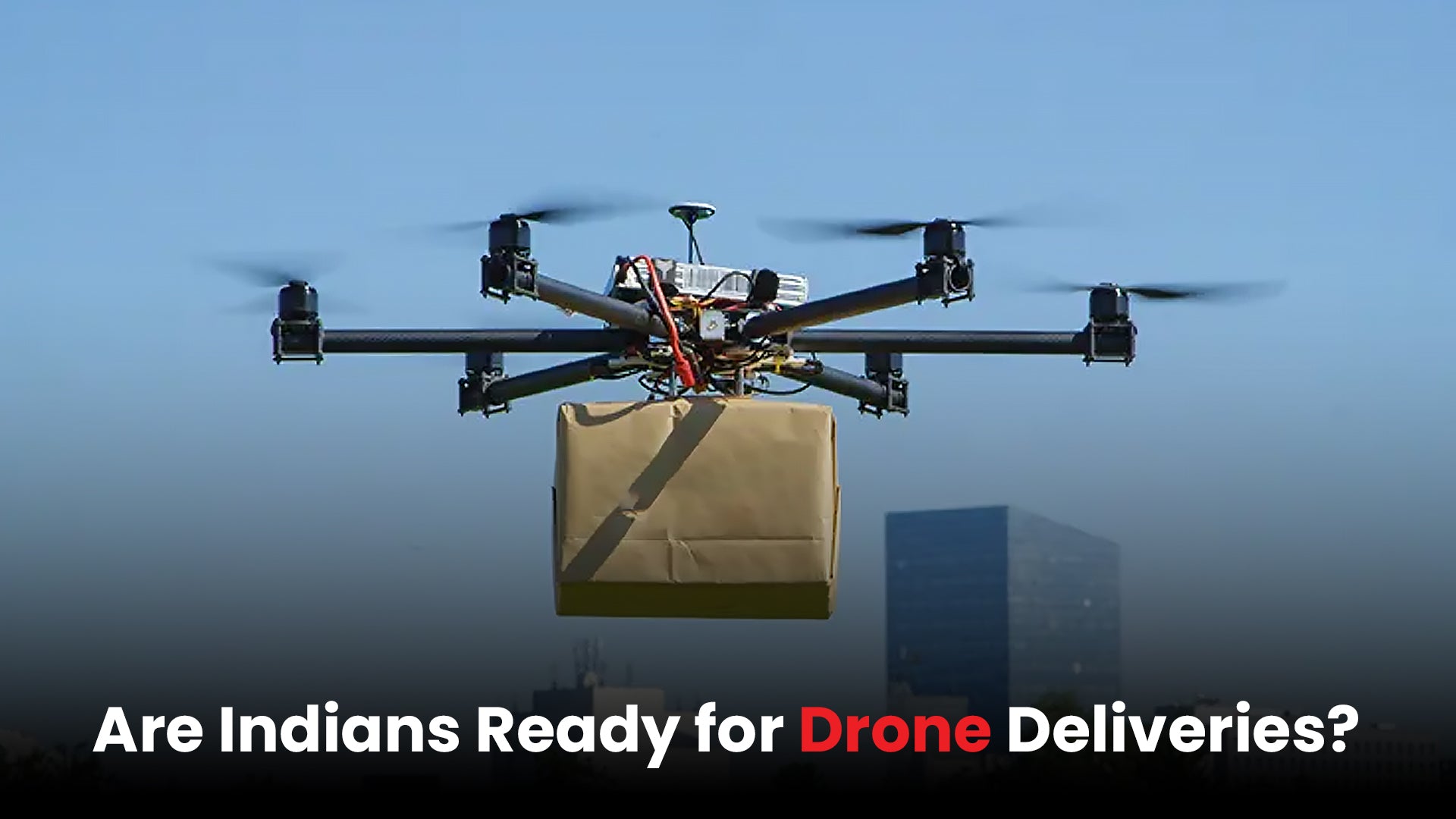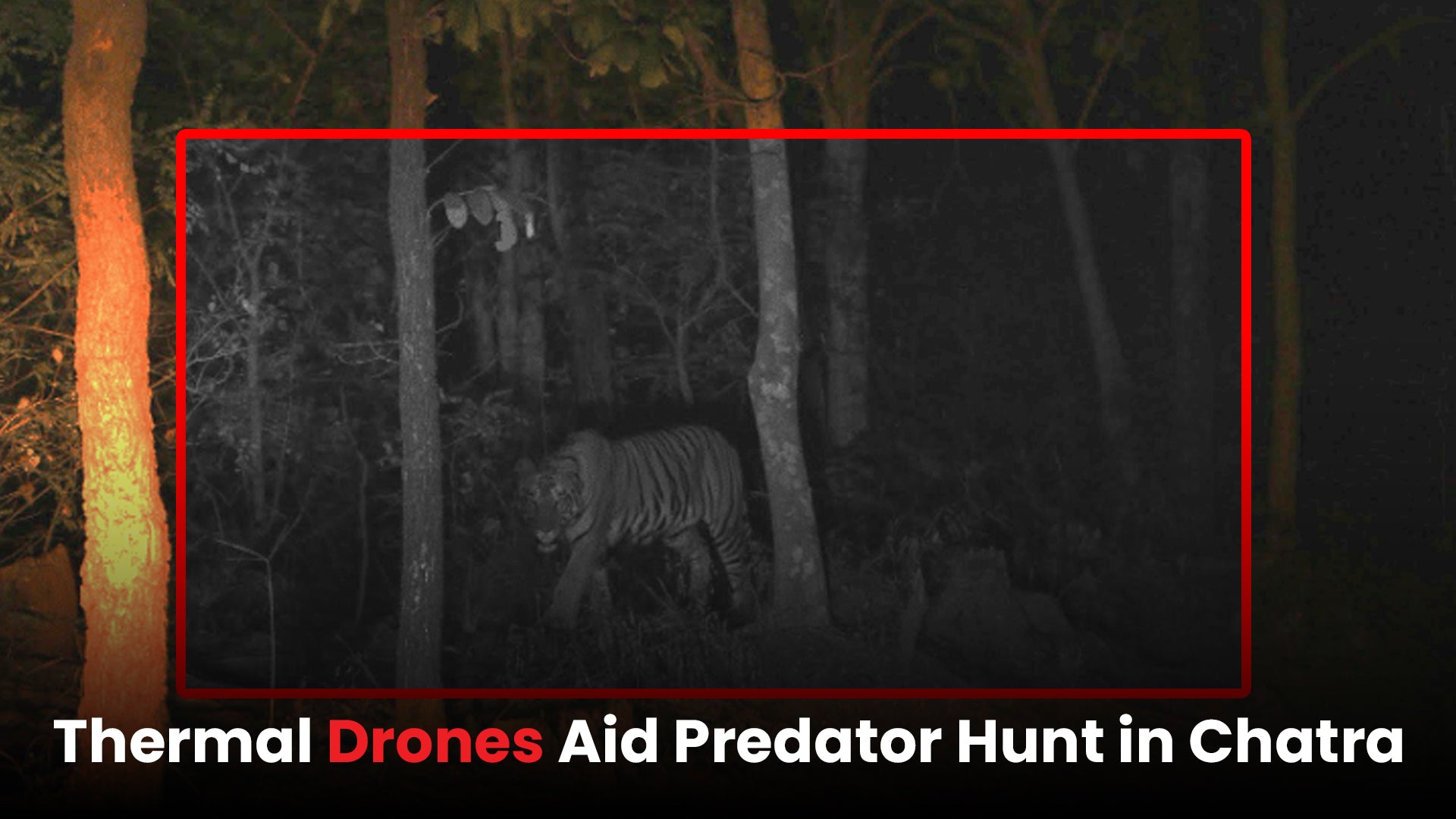

Drone photography has opened an entirely new world for photographers, making it possible to capture stunning aerial perspectives without expensive helicopter rides. For beginners, understanding the fundamentals is essential to getting the best results from your drone.
In this guide, we explore practical techniques, tools, and tips to help you master drone photography as a beginner.
10 Practical Drone Photography Tips for Beginners
Let’s go through each tip step by step.
#1 Understand Your Drone
Before capturing breathtaking images, spend time learning your drone’s features, controls, and camera capabilities. Each model behaves differently, and familiarity ensures safer flights and sharper photos.
Important Things to Know:
- Camera Settings: Learn how to adjust ISO, shutter speed, and white balance.
- Flight Modes: Use cinematic, manual, or intelligent modes depending on your shot.
- Battery Management: Carry spare batteries and understand your drone’s flight time.
Also read: How to maintain the battery health of FPV drones
#2 Know the Rules and Regulations
Every country has specific drone laws that govern flight operations. Ignoring these rules can lead to penalties or legal issues.
General Guidelines:
- Fly below 400 feet (120 meters).
- Avoid airports, military zones, and restricted areas.
- Maintain visual line of sight at all times.
- Obtain required permits where applicable.
#3 Plan Your Shoot
Preparation is key to successful drone photography. Use Google Maps or Google Earth to scout locations that look visually appealing from above.
- Timing: Shoot during golden hours for soft lighting.
- Weather: Avoid strong winds and rain.
- Obstacles: Watch out for trees, buildings, and power lines.
#4 Master Composition Techniques
Strong composition elevates aerial photography. Apply traditional photography principles for visually engaging shots.
- Rule of Thirds: Place subjects off-center.
- Leading Lines: Use roads, rivers, or pathways.
- Patterns & Textures: Highlight symmetry from above.
- Framing: Use natural elements to frame your subject.
#5 Experiment with Camera Settings
Switch from auto to manual settings to gain full creative control.
- Shutter Speed: Faster for sharp images, slower for motion blur.
- ISO: Keep low to avoid noise.
- White Balance: Adjust based on lighting conditions.
Pro Tip: Shoot in RAW for better post-processing flexibility.
#6 Use Filters for Better Results
Camera filters help manage light and reflections, improving image quality.
- ND Filters: Reduce light in bright conditions.
- Polarizing Filters: Reduce glare and enhance colors.
#7 Practice Smooth Flying
Smooth drone movements are essential for professional-looking photos and videos.
- Enable cinematic mode if available.
- Avoid abrupt joystick inputs.
- Pre-plan your flight path.
#8 Capture Unique Perspectives
Aerial photography allows angles impossible from the ground.
- Top-down shots: Create abstract compositions.
- Low-altitude shots: Add depth and scale.
- Dynamic angles: Tilt the camera slightly for drama.
#9 Edit Your Photos
Post-processing enhances color, contrast, and overall impact.
- Adobe Lightroom: Exposure and color correction.
- Photoshop: Advanced retouching.
- Free Tools: Snapseed or GIMP.
#10 Practice Consistently
Regular practice builds confidence and improves results over time.
- Set weekly photography goals.
- Shoot in varied lighting and weather conditions.
- Explore different photography styles.
Final Thoughts
Drone photography is a rewarding creative pursuit that unlocks extraordinary perspectives. Master the basics, experiment frequently, and refine your skills consistently. With patience and creativity, your aerial images will stand out.