

Not every military upgrade comes in the form of heavy vehicles or large weapons systems.
Sometimes, it fits inside a backpack.
During a recent deployment in India’s North East, specialized military units underwent training with something compact yet decisive FPV kamikaze drones. These agile systems are engineered for reconnaissance, precision strikes, and rapid tactical response.
To make this initiative a success, InsideFPV was brought in to lead the training on the ground.
The mission was clear: build confident, tactical operators capable of using kamikaze drones effectively in real-world conditions.
Because in modern warfare, air superiority can begin at shoulder height.
Why Kamikaze Drones Are Now Mission Critical
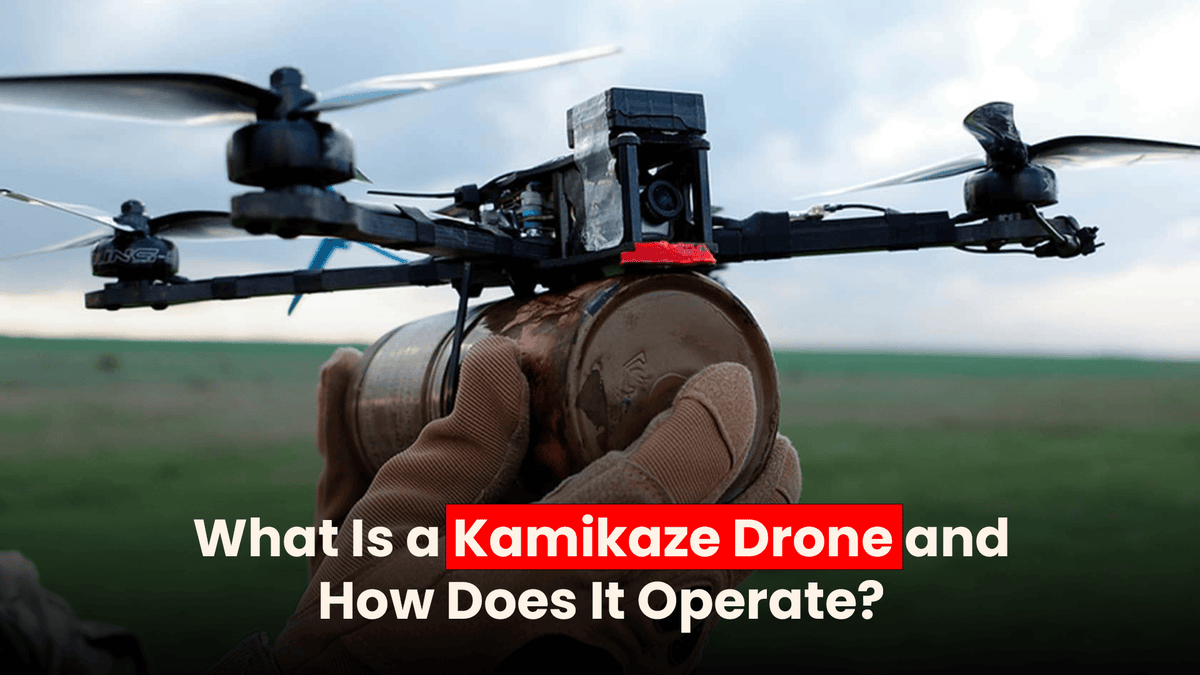
Across modern battlefields, loitering munitions and suicide drones have evolved from experimental systems into frontline assets. These compact tools are redefining tactical engagement by offering unmatched flexibility and real-time control.
A single trained operator equipped with an FPV combat drone can:
-
Scout hostile zones without exposing personnel
-
Track enemy movement through rugged terrain
-
Conduct precision strikes with minimal collateral damage
-
Operate independently of heavy artillery or aerial support
-
Respond faster than conventional weapon systems
For regions such as India’s North East, characterized by dense forests, steep hills, and unpredictable weather, these drones provide an invaluable edge.
When terrain disrupts communication and roads become inaccessible, drones keep the mission alive.
InsideFPV’s Field-Focused Military Training
InsideFPV structured its training program for practical, field-ready performance rather than classroom theory.
In combat environments, soldiers benefit more from muscle memory than PowerPoint slides. That’s why the training focused entirely on hands-on experience from day one.
Participants learned by doing. They:
-
Assembled drones from basic components
-
Installed FPV cameras and signal transmitters
-
Calibrated flight controllers for stable performance
-
Practiced real-time field repairs under stress
-
Replaced damaged parts within minutes during mock missions
This immersive, repair-oriented training built not only technical proficiency but also self-reliance a crucial skill for soldiers in remote or hostile zones.
When a propeller breaks or a wire disconnects mid-operation, trained operators don’t pause the mission they fix it on the spot.
That resilience is what separates skilled operators from mere pilots.
The Power of First Person View (FPV) Drones
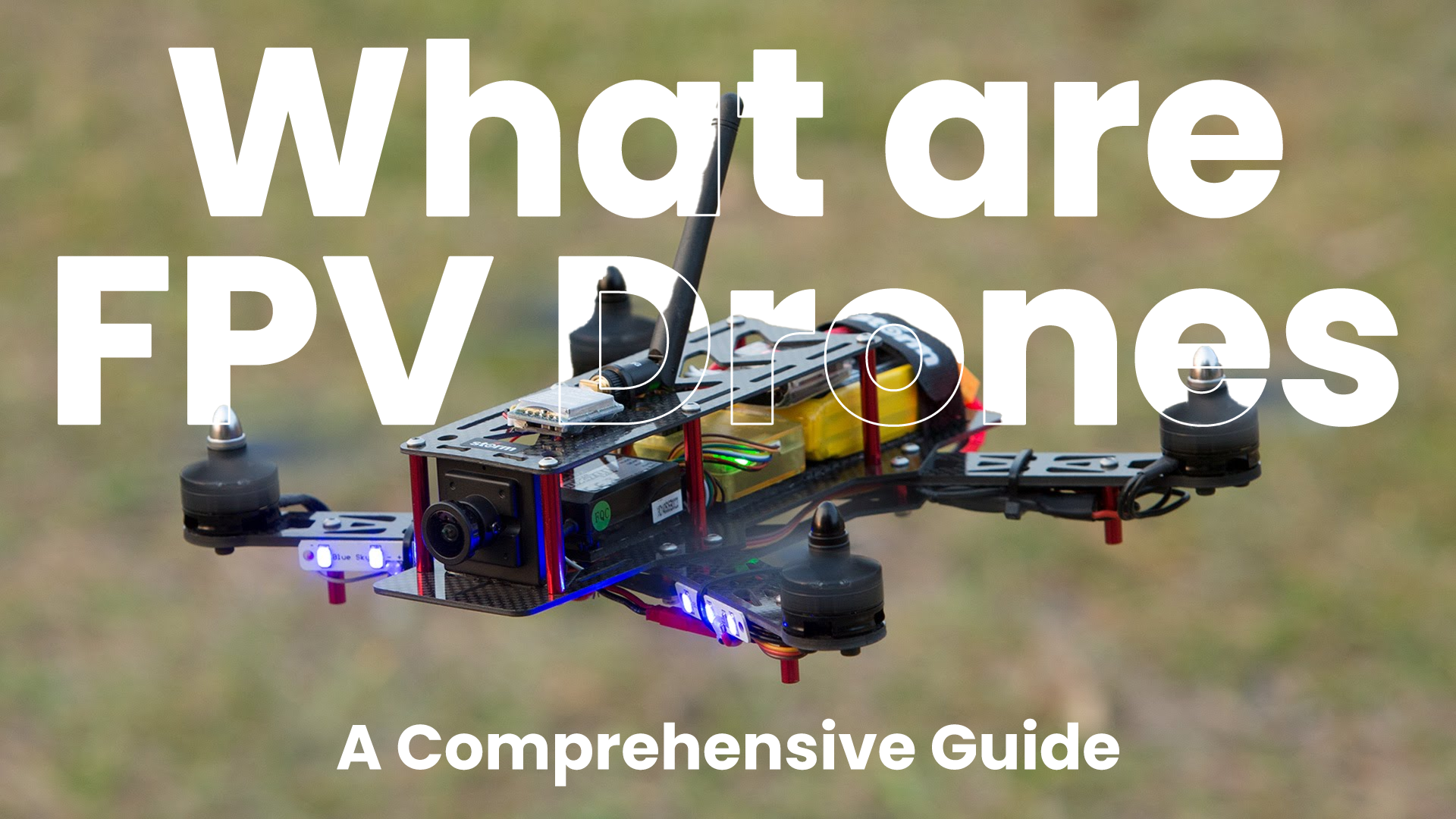
FPV short for First Person View is more than just a technical term; it’s an entirely new way to perceive the battlefield.
Through the FPV goggles, the drone becomes an extension of the operator’s senses. Every turn, every shift in wind, every obstacle feels immediate and personal.
This immersive perspective enables operators to:
-
Fly closer to targets with surgical precision
-
Maneuver efficiently through confined spaces
-
Maintain situational awareness in dynamic environments
-
Execute accurate strikes in high-pressure missions
For close-range engagements and operations in complex terrain, FPV technology offers unparalleled tactical control.
It transforms a lightweight quadcopter into a precision-guided tactical system—a true force multiplier for modern infantry units.
The Bigger Picture: Drone Warfare Is Already Here
Drone warfare is no longer theoretical, it’s operational. Across global conflict zones, kamikaze drones, FPV combat drones, and loitering munitions are shaping a new generation of tactical doctrines.
They combine speed, intelligence, and accuracy while drastically reducing risk to human personnel.
India’s growing emphasis on indigenous drone technology and operator training places programs like InsideFPV’s at the forefront of national defense innovation.
Because technology alone doesn’t transform a battlefield.
Trained people using technology effectively do.
InsideFPV continues to advance this mission, delivering real-world FPV kamikaze drone training that strengthens tactical readiness across India’s defense forces.
Frequently Asked Questions (FAQs)
1. What is a kamikaze drone?
A kamikaze drone, also known as a loitering munition, is a small unmanned aerial vehicle designed to hover over an area, identify a target, and strike by direct impact.
2. How is FPV drone training useful for the military?
FPV training enhances soldiers’ control precision, situational awareness, and reaction speed, enabling them to perform reconnaissance and execute precision strikes safely.
3. Are kamikaze drones effective in mountainous or forest terrain?
Yes. Their compact size and high agility make them ideal for navigating tight, forested, or mountainous environments where traditional systems face limitations.
4. What makes FPV drones different from regular military drones?
FPV drones provide real-time, pilot-level vision, allowing for faster responses and more intuitive control compared to traditional remotely piloted systems.
5. Can these drones operate in poor weather conditions?
While extreme weather can pose challenges, FPV drones are typically built for rugged use, with weather-resistant components suitable for field operations.
6. What’s the advantage of assembling drones during training?
Building drones from scratch develops deep familiarity with every component, ensuring operators can troubleshoot and repair issues quickly during missions.
External Link:
Learn more about India’s growing drone defense ecosystem at https://www.makeinindia.com/sector/defence-manufacturing
Conclusion
The partnership between InsideFPV and Indian defense forces highlights a crucial shift in modern military strategy.
Power in the 21st century doesn’t always come from larger systems it often comes from smarter, smaller ones.
By empowering soldiers with FPV kamikaze drone expertise, India isn’t just adopting new technology; it’s cultivating a new generation of tactical thinkers and drone warriors prepared for the evolving landscape of modern warfare.


