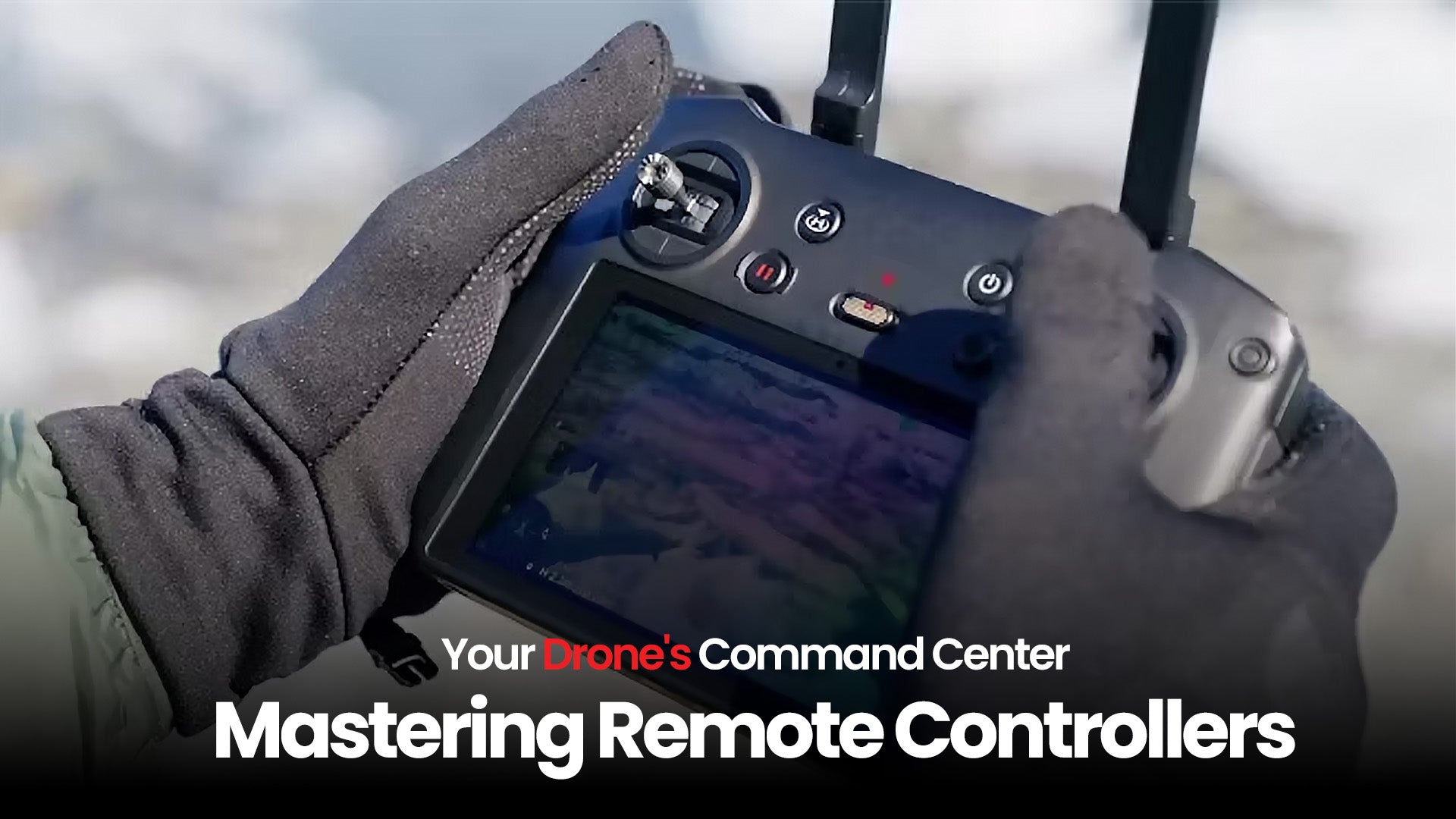

Drones are no longer just futuristic toys in India. Increasingly, creators, students, surveyors and hobbyists are using drones for photography, learning and content creation. But as the number of drone flyers grows, it is more important than ever to fly legally, safely and responsibly.
In this guide, we will walk you through what you must know in 2026 including the latest rules, key safety steps, practical advice and future directions.
Why Safe Flying Matters
Safe drone flying is not just a technical issue. It is a matter of trust, legal compliance and personal responsibility.
-
Protecting people and property: A reckless or poorly controlled drone can injure someone or damage objects below. Following proper rules helps prevent accidents.
-
Respecting shared airspace: India’s skies are shared by manned aircraft, helicopters and other professional users. By staying within the permitted zones, you reduce the risk of interfering with other aircraft.
-
Building a positive image of drone users: Responsible flying helps communities, regulators and institutions accept drones as creative and professional tools rather than nuisances.
Also read: Complete compliance guide for defence drone buyers
Key Regulatory Frameworks that you must know in 2026
#1 Registration and Unique Identification
All drones that exceed certain weight limits must be registered on the Digital Sky platform, which is managed by the Directorate General of Civil Aviation (DGCA).
Once registered, you receive a Unique Identification Number (UIN), which must be clearly displayed on the drone body. Without this, you risk penalties and your drone may not be considered legal.
Digital Sky also enforces the “No Permission No Take Off” (NPNT) rule. This means that before each flight, your drone must obtain a digital clearance, and only then can you fly. Certain drone firmware is locked so that takeoff is not allowed without validated permission.
#2 Remote Pilot Certification
If you plan to operate your drone commercially or fly heavier models, it may be required to have a Remote Pilot Certificate (RPC). DGCA-approved training organisations now offer courses that teach safety, navigation, regulation and flight planning.
Training not only helps you fly legally but also makes you a more confident and prepared pilot.
#3 Airspace Zones and Restrictions
India divides its airspace into different zones for drone operations: green, yellow and red.
-
Green zones are generally safer for flying, with limited height restrictions.
-
Yellow zones are closer to controlled airspace and demand special permission.
-
Red zones are strictly no fly areas as these typically include military installations, airports and sensitive regions.
Before you plan a flight, always check the latest zone map on Digital Sky. This is vital for compliance and safety. In addition, the proposed Civil Drone Bill 2025 is expected to introduce new regulatory powers for DGCA, clarify permissions and strengthen airspace management.
Keeping an eye on this bill helps you stay ahead if rules change.
What are the Best Pre Flight Safety Checklist
A simple but thorough pre-flight routine can save your drone and avoid accidents. Before every flight run through these checks:
Battery health
Ensure the battery is fully charged and healthy. A weak or damaged battery can lead to forced landings.
Propeller and frame inspection
Examine each propeller for cracks, chips or dirt. Make sure mounting screws or fixtures are tight and secure.
Firmware and app updates
Update your drone’s firmware as well as your controller app. Updates often include important fixes for stability, navigation or safety.
GPS and compass calibration
Wait for a solid GPS lock. If required, perform compass calibration. Without accurate positioning, the drone may drift or fail to return home.
Environmental scan
Survey the area for obstacles such as trees, wires, buildings or crowds. Pick a clear takeoff and landing zone and identify backup landing spots.
Weather check
Evaluate wind speed, direction, visibility and weather threats. Avoid flying when wind gusts are strong, or when rain or fog threatens stability.
Return to Home settings
Confirm that the home point is correctly set and test how the return to home function works in safe conditions.
Also read: insideFPV provides complete drone lab setup in Pathankot
Flying Safely and Legally: Best Practices
Beyond the checklist, these practices will help you fly with greater responsibility and peace of mind.
Maintain Visual Line of Sight (VLOS)
You should always be able to see your drone with your own eyes. This means not relying exclusively on the controller screen or using only a first person view device.
Visual line of sight helps you react faster to hazards, judge distance more reliably and keep control even if technology fails. If needed, fly with a spotter who watches the drone while you focus on the camera.
Respect Height and Distance Limits
DGCA rules impose limits on how high and how far you can fly. These limits are in place to protect other air users and to keep your drone within a controllable range.
Staying within these limits is not optional.
Carefully Choose Your Location
Some areas are ideal for drone use, others are not. Avoid crowded public places, overhead power lines, private residences without permission, temples, government offices and other sensitive sites. Open fields, parks and lightly built areas are safer choices.
Use Digital Sky or similar map tools to verify restrictions before launching.
Protect Privacy
Flying over private property or filming people without consent can damage your reputation and even lead to legal trouble. Be courteous: if people ask what you are doing, explain that you are a drone pilot.
Avoid filming people in personal or private areas without their permission.
Fly Only When Conditions Are Suitable
Wind, rain, heavy traffic or poor visibility are red flags. If the weather or lighting conditions are not safe, postpone your flight. A grounded drone is far better than a crash.
How to Deal With Emergencies?
Even careful pilots may face unexpected situations. Being ready is the key to safety.
Return to Home (RTH): Know exactly how this feature works on your model. Practice return to home in a clear area so you know how the drone behaves in real conditions.
Low Battery Response: As soon as your drone warns of low battery, initiate return. Do not wait until the last drop.
Signal Loss: If the control signal breaks, fly slowly to a known landing area while you attempt to reestablish control. Do not make sudden or risky movements.
Manual Landing: Be ready to land manually if automation does not respond. Practice manual landings at a safe site.
Emerging Trends in Drone Regulation and Safety
Let us go through some of the key emerging trends that you should know about.
Civil Drone Bill 2025
One of the major developments in India is the draft Civil Drone Bill 2025. The bill suggests a more structured regulation framework, including clearer responsibilities for operators, stronger airspace enforcement, and support for innovation.
As this bill becomes law, some of today’s key rules might change and staying informed will help you remain compliant.
Beyond Visual Line of Sight (BVLOS)
While VLOS remains the norm, regulators are working to open the skies for beyond visual line of sight operations. This could enable larger commercial and research use cases: long distance inspection, delivery missions and advanced filming.
However, until BVLOS rules are fully in place, visual control remains mandatory for most pilots.
Growing Pilot Education
With the growth of drone training centres and more recognition of drone skills, operators are gaining stronger foundations in both safety and regulation.
This trend supports a new generation of skilled pilots who take safety seriously.
By valuing education, community and lawfulness, drone users help shape a future where these machines are used for good: for environmental surveys, disaster relief, learning labs and creative storytelling.
Frequently Asked Questions
Do I need a license to fly a drone in India in 2025?
For small hobby drones, a license may not always be needed. But if your drone is heavy or you fly commercially, DGCA-approved pilot certification is often required.
How do I check whether I can fly in my area?
Use the Digital Sky portal’s live airspace map. That map shows green, yellow and red zones. Only fly where permitted, and get clearance for restricted zones if needed.
What happens if I fly without Digital Sky clearance (NPNT)?
Without valid clearance, your drone may refuse to take off. Moreover, you risk regulatory action. Always get permission before flying.
How do I handle drone emergencies like low battery or signal loss?
Know your return to home function. Begin RTH when the battery is low. If the signal breaks, fly slowly to a clear landing point or use manual control to gently bring the drone down.
Can I film people and take videos in public with my drone?
Respect people’s privacy: avoid filming private homes or individuals without consent. If you are in a public place, be open about your intent and avoid recording people too closely without permission.