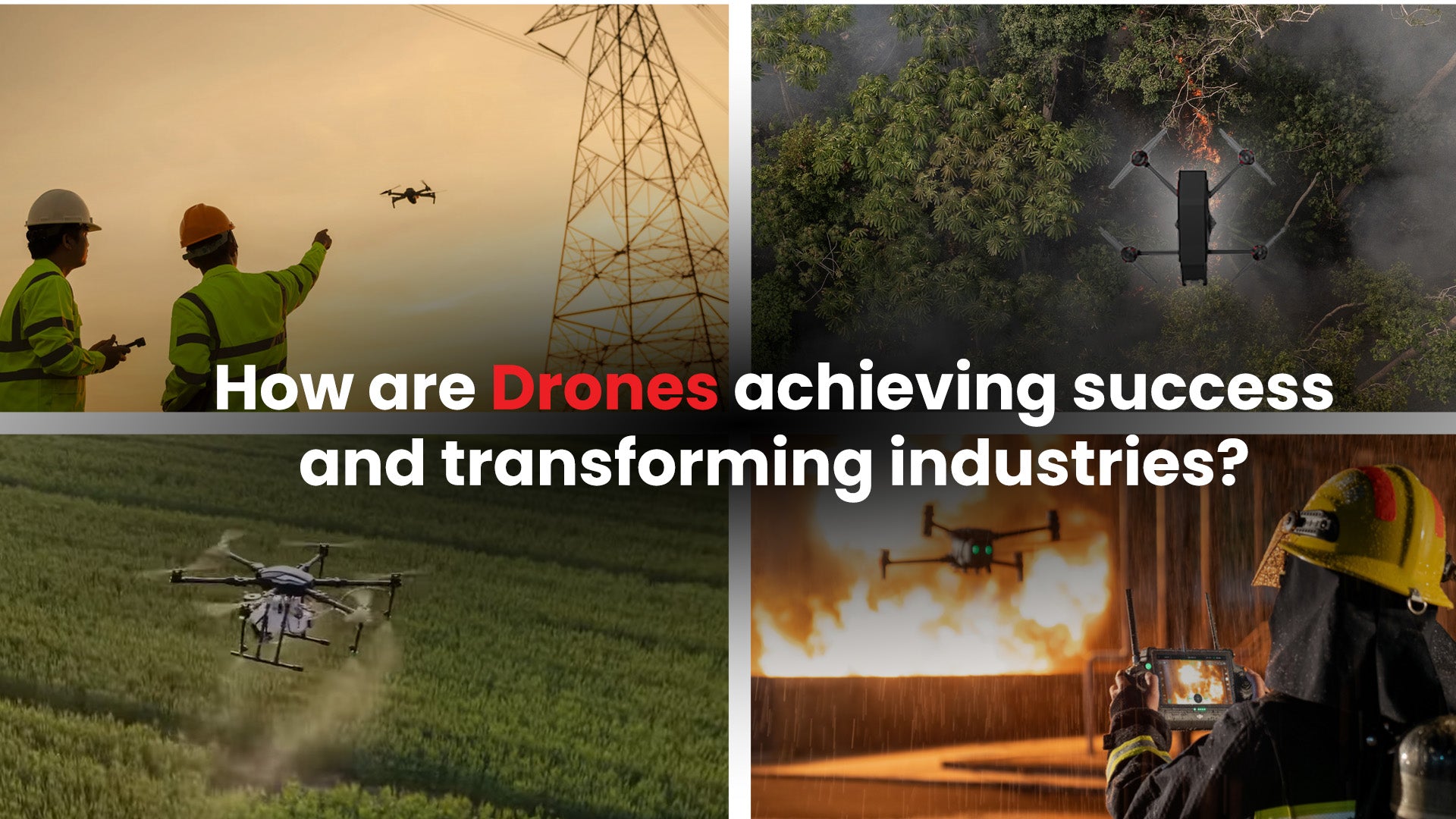

The world of drones has grown rapidly over the past decade. From hobby flying to military operations, Types of Drones now serve countless industries worldwide. Drones, also known as unmanned aerial vehicles (UAVs), are no longer just toys. They are powerful tools used in filmmaking, agriculture, delivery services, disaster management, and national defense.
Understanding the different Types of Drones helps users choose the right model for their needs. Each type varies in design, size, flight capability, and purpose. Some drones are built for speed and endurance, while others focus on stability and precision.
In this post, we’ll break down drone categories in a simple and clear way. Whether you’re a beginner or a professional, this post will give you a complete understanding of drone classifications and their real-world uses.
What is a Drone and How Does It Work?
A drone is an aircraft that operates without a human pilot onboard. It is controlled remotely or flies autonomously using software, sensors, and GPS systems.
Key Components of a Drone
Most drones share common components:
-
Frame and body
-
Motors and propellers
-
Battery and power system
-
Flight controller
-
GPS and sensors
-
Camera and gimbal (optional)
These parts work together to keep the drone stable, responsive, and safe during flight.
How Drone Technology Has Evolved
Early drones were mainly military tools. Today, advancements in artificial intelligence, lightweight materials, and battery technology have made drones more affordable and accessible. Modern drones can track objects, avoid obstacles, and even fly pre-programmed routes.
Types of Drones Based on Design
Multi-Rotor Drones
Multi-rotor drones are the most common and user-friendly type.
Quadcopters
Quadcopters have four rotors and are widely used for:
-
Photography and videography
-
Hobby flying
-
Surveillance
They are easy to control and ideal for beginners.
Hexacopters and Octocopters
These drones have six or eight rotors. They offer:
-
Greater stability
-
Higher payload capacity
-
Better safety if one motor fails
They are commonly used in professional filmmaking and industrial inspections.
Fixed-Wing Drones
Fixed-wing drones look like small airplanes. Instead of hovering, they glide forward using wings.
Key advantages include:
-
Longer flight time
-
Higher speed
-
Greater range
They are commonly used in mapping, surveying, and military missions. However, they need more space for takeoff and landing.
Single-Rotor Helicopter Drones
These drones use one large rotor, similar to helicopters.
They offer:
-
Long endurance
-
Heavy payload capability
They are mostly used in industrial and research applications but require advanced piloting skills.
Types of Drones Based on Usage
Consumer Drones
Consumer drones represent the entry point to aerial photography, built specifically for casual flyers and beginners. They are affordable, compact, and easy to fly. Many include built-in cameras and automated flight modes.
Commercial Drones
Commercial drones are used by businesses for tasks like:
-
Aerial photography
-
Real estate marketing
-
Infrastructure inspection
-
Construction monitoring
They often include advanced sensors and higher-quality cameras.
Military Drones
Military drones are among the most advanced Types of Drones.
They are used for:
-
Surveillance
-
Reconnaissance
-
Combat missions
Some can fly for days and operate across continents.
Farming Drones
Agricultural drones help farmers monitor crops, spray pesticides, and analyze soil health. They improve efficiency and reduce labor costs.
Delivery Drones
Delivery drones are used to transport small packages, food, and medical supplies. Amazon and UPS are on the cutting edge, transforming last-mile delivery by putting their drone systems through real-world operational testing.
Types of Drones Based on Range and Autonomy
Short-Range Drones
These drones operate within a few kilometers and are perfect for photography and recreational use.
Medium-Range Drones
Medium-range drones are used for commercial inspections and mapping. They offer a balance between endurance and maneuverability.
Long-Range and Autonomous Drones
These drones can travel hundreds or even thousands of kilometers. They rely heavily on automation and artificial intelligence and are mainly used in military and scientific research.
Advantages and Limitations of Different Types of Drones
Advantages:
-
Cost-effective aerial access
-
Improved safety
-
Time efficiency
-
High data accuracy
Limitations:
-
Limited battery life
-
Weather dependency
-
Legal and regulatory restrictions
Understanding these factors helps users make informed decisions.
How to Choose the Right Type of Drone
When selecting from different Types of Drones, consider:
-
Purpose of use
-
Budget
-
Flight time
-
Payload capacity
-
Skill level
-
Local drone laws
Choosing the right drone ensures better performance and long-term satisfaction.
Future Trends in Drone Technology
The future of drones looks promising. Emerging trends include:
-
AI-powered autonomous drones
-
Swarm drone technology
-
Urban air mobility
-
Improved battery and solar-powered drones
These innovations will further expand the applications of drones worldwide.
Conclusion
Understanding the different Types of Drones is essential in today’s technology-driven world. Each drone category serves a unique purpose, from capturing stunning aerial footage to supporting national security. As drone technology continues to advance, its role in daily life will only expand.
Whether you’re a hobbyist, business owner, or tech enthusiast, choosing the right drone starts with knowing the types available. With the right knowledge, drones can become powerful tools that improve efficiency, creativity, and innovation.
FAQs
1. What are the main Types of Drones?
The main types include multi-rotor, fixed-wing, single-rotor, consumer, commercial, and military drones.
2. Which drone is best for beginners?
Multi-rotor drones, especially quadcopters, are best for beginners.
3. Are military drones different from commercial drones?
Yes, military drones are larger, more advanced, and designed for long-range and combat missions.
4. What Types of Drones are used in farming?
Agricultural drones are specifically designed for crop monitoring and spraying.
5. Can drones fly autonomously?
Yes, many modern drones can fly autonomously using GPS and AI software.
6. Are there legal restrictions on drones?
Yes, drone laws vary by country and often require registration and licensing.